
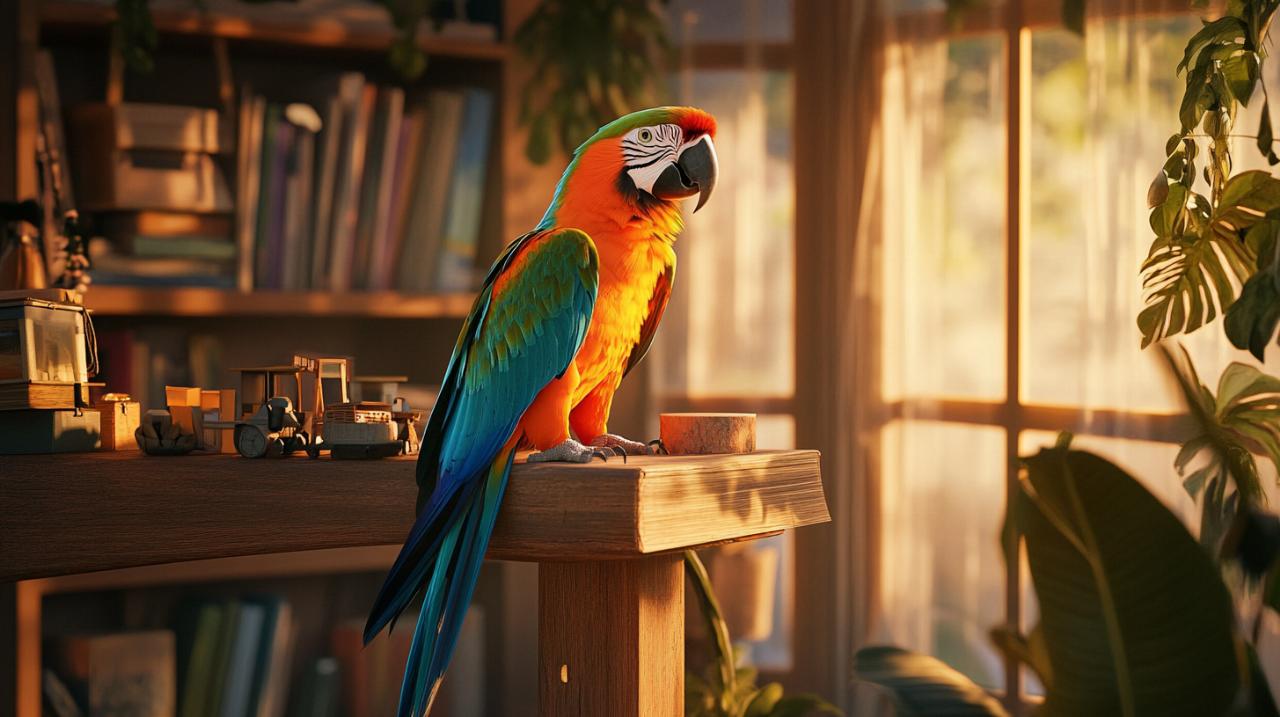
Teaching a parrot to communicate through words and sounds can be one of the most rewarding experiences for any bird owner. The process involves more than mere repetition; it requires an understanding of the bird's natural behaviours, an environment that nurtures curiosity, and a method that blends consistency with creativity. By integrating melodies and rhythmic patterns into daily interactions, owners can tap into the innate musicality of these intelligent creatures, making the learning journey both enjoyable and effective. This guide explores the essential elements that contribute to successful vocal development, from the physical surroundings to the nutritional foundations that support cognitive growth.
Creating the Optimal Environment for Vocal Development
Establishing a suitable living space is fundamental to encouraging a parrot to express itself vocally. The environment in which a bird spends its time directly influences its confidence, comfort, and willingness to experiment with sounds. A well-designed setting not only supports physical health but also fosters mental engagement, both of which are critical for learning. Attention to the details of the bird's surroundings can make a significant difference in how quickly and enthusiastically it begins to mimic speech and other auditory cues.
Selecting the Right Cage and Space for Your Feathered Companion
The cage serves as the primary habitat for a parrot, and its design plays a crucial role in the bird's overall wellbeing. A spacious enclosure allows for movement and exploration, which are vital for reducing stress and promoting a sense of security. The dimensions should be generous enough to accommodate perches at varying heights, enabling the bird to engage in natural behaviours such as climbing and hopping. The placement of the cage within the home is equally important. Positioning it in a common area where family members gather ensures the parrot remains socially stimulated, as these birds thrive on interaction and observation. However, the location should also offer a balance, avoiding excessive noise or sudden disturbances that might cause anxiety. Natural light is beneficial, yet direct exposure to harsh sunlight should be avoided to prevent overheating. The orientation of the cage should facilitate easy eye contact and conversation, encouraging the bird to engage with its human companions throughout the day.
The Role of Toys and Mental Stimulation in Encouraging Speech
Mental enrichment is indispensable for a parrot's cognitive development and directly supports its capacity to learn new sounds. Toys that challenge the bird's problem-solving abilities, such as puzzles or foraging devices, keep the mind active and receptive to new information. Rotating toys regularly prevents monotony and maintains a high level of interest, which is essential for sustained learning. Interactive playthings that produce sounds or require manipulation can also serve as auditory stimuli, reinforcing the bird's connection between action and sound. Incorporating varied textures, colours, and shapes within the cage creates a dynamic environment that mirrors the complexity of a parrot's natural habitat. This diversity not only prevents boredom but also encourages exploration and vocalisation. When a bird feels mentally stimulated, it is more likely to experiment with its own voice, imitating the sounds it hears and responding to the melodies and rhythms introduced during training sessions. The interplay between a stimulating environment and consistent vocal practice creates a foundation for successful communication.
Foundations of Health and Diet for Enhanced Learning Abilities
A parrot's ability to learn and vocalise is intrinsically linked to its physical health and nutritional intake. Without the proper building blocks for energy and brain function, even the most dedicated training efforts may fall short. Understanding the dietary needs of these birds and ensuring they receive balanced nutrition is a cornerstone of any effective teaching strategy. Moreover, maintaining overall physical wellbeing through preventive care and regular observation supports the vitality necessary for active participation in learning activities.
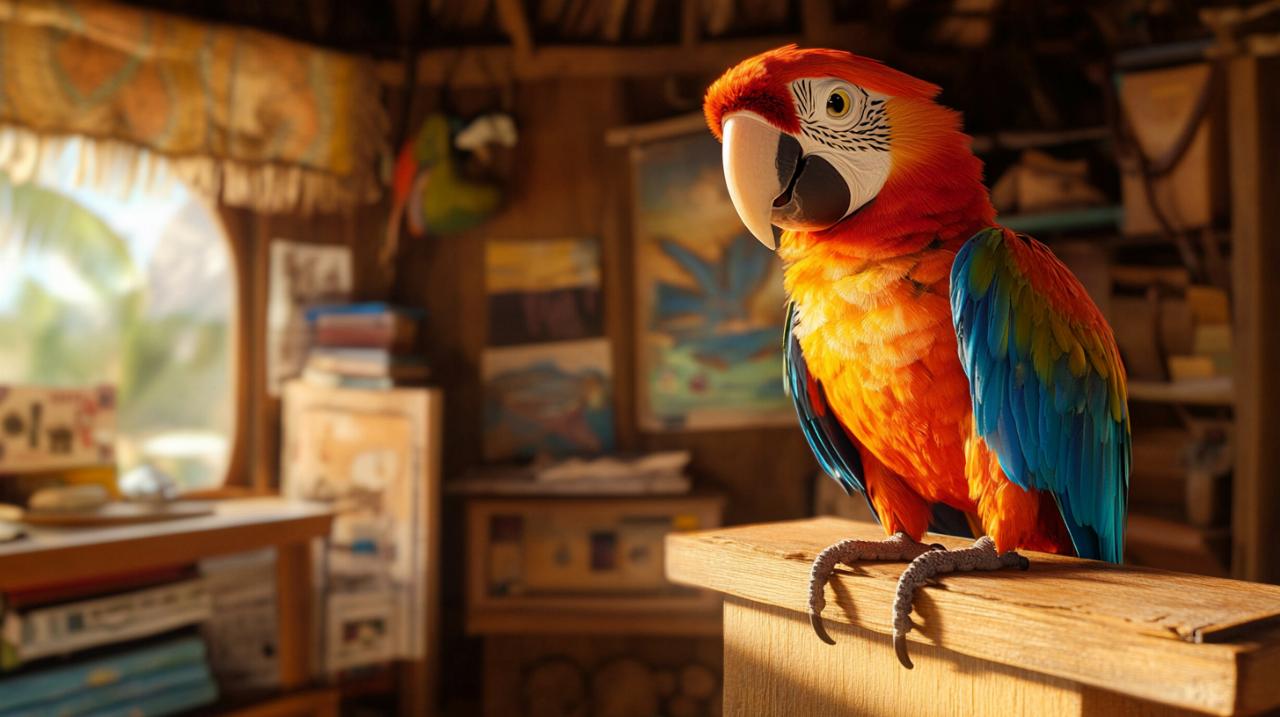
Nutritional requirements to support cognitive function
A varied diet rich in essential nutrients is paramount for supporting a parrot's cognitive abilities. Fresh fruits and vegetables should form a significant portion of the daily intake, providing vitamins and minerals that contribute to brain health. Leafy greens, carrots, and berries are excellent choices, offering antioxidants that protect neural pathways and enhance memory. Pellets formulated specifically for parrots ensure that the bird receives a balanced mix of proteins, fats, and carbohydrates, which are necessary for sustained energy and mental clarity. Seeds, while often enjoyed by parrots, should be offered in moderation due to their high fat content. Overreliance on seeds can lead to nutritional imbalances that may affect alertness and responsiveness. Clean, fresh water must always be available, as hydration is critical for all bodily functions, including those that support learning. Introducing variety into the diet not only meets nutritional needs but also provides sensory stimulation, which can indirectly encourage vocal experimentation. A well-nourished bird is more likely to engage actively with its surroundings and respond positively to training cues.
Maintaining physical wellbeing to promote vocal behaviour
Regular health check-ups and attentive observation are essential components of caring for a parrot. Physical ailments, even minor ones, can diminish a bird's energy and enthusiasm, making it less inclined to participate in learning activities. Monitoring the condition of feathers, beak, and feet provides early indicators of potential health issues. A parrot in good physical condition will exhibit vibrant plumage, clear eyes, and an alert demeanour, all of which signal readiness for training. Exercise is another critical factor in maintaining overall vitality. Allowing the bird time outside its cage to stretch its wings and explore promotes cardiovascular health and muscle tone. This physical activity translates into heightened energy levels and a more engaged state of mind, both of which are conducive to learning. Adequate rest is equally important, as sleep allows the brain to consolidate new information and recover from the day's activities. Establishing a consistent routine that includes periods of rest, play, and social interaction creates a balanced lifestyle that supports vocal development.
Effective training techniques using music and positive reinforcement
The integration of musical elements into training sessions can transform the learning process into an enjoyable and memorable experience for both the parrot and its owner. Music taps into the natural affinity many parrots have for rhythm and melody, making it easier for them to remember and reproduce sounds. Coupling this approach with positive reinforcement techniques builds trust and motivation, encouraging the bird to participate willingly and enthusiastically.
Incorporating Tunes and Rhythms into Daily Teaching Sessions
Introducing simple melodies and rhythmic patterns during training sessions can significantly enhance a parrot's ability to learn words and phrases. Starting with short, repetitive tunes that accompany specific words helps the bird associate the sound with the melody, creating a mental anchor that aids recall. Singing or speaking in a melodic tone captures the bird's attention more effectively than monotone speech, as the variation in pitch and tempo is inherently engaging. Consistency is key; repeating the same tune at the same time each day reinforces the learning pattern and helps the bird anticipate the training session. Gradually increasing the complexity of the melodies or introducing new rhythms keeps the sessions fresh and prevents the bird from losing interest. Clapping or using simple percussion instruments can also add a rhythmic dimension that further stimulates auditory memory. The goal is to create a multisensory experience that makes learning feel natural and enjoyable. Over time, the bird begins to associate certain words with specific tunes, making it easier to recall and reproduce them independently.
Building trust through consistent positive reinforcement methods
Positive reinforcement is the most effective and humane method for teaching a parrot to speak. Rewarding desired behaviour with treats, praise, or attention encourages the bird to repeat that behaviour in the future. Each time the parrot makes an attempt to mimic a word or sound, acknowledging the effort with enthusiasm reinforces the connection between the action and the reward. This approach builds confidence and fosters a trusting relationship between the bird and its owner. Patience is essential, as progress may be gradual and vary from one individual to another. Avoiding frustration or negative reactions is crucial, as parrots are highly sensitive to the emotions of their caregivers. Maintaining a calm and encouraging demeanour ensures that the training environment remains positive and stress-free. Short, frequent sessions are more effective than prolonged ones, as they prevent fatigue and keep the bird's interest high. Over time, the combination of musical integration and consistent positive reinforcement creates a strong foundation for vocal development, allowing the parrot to express itself with increasing clarity and creativity.